LVP Flooring in Sarasota: What Homeowners Should Know Before Installing
Luxury vinyl plank (LVP) flooring is one of the most requested floor replacements in Sarasota homes, and for good reason: it handles humidity, stands up to sandy foot traffic from Siesta Key beaches, and looks like hardwood without the maintenance. Master Flooring Service installs rigid core, WPC, and glue-down LVP across Sarasota, Venice, Bradenton, and Lakewood Ranch. If you want straight answers about which plank fits your rooms, call us at (941) 555-0199 — we're happy to talk through your project before you commit to anything.
More on this: What should I check before booking epoxy flooring.
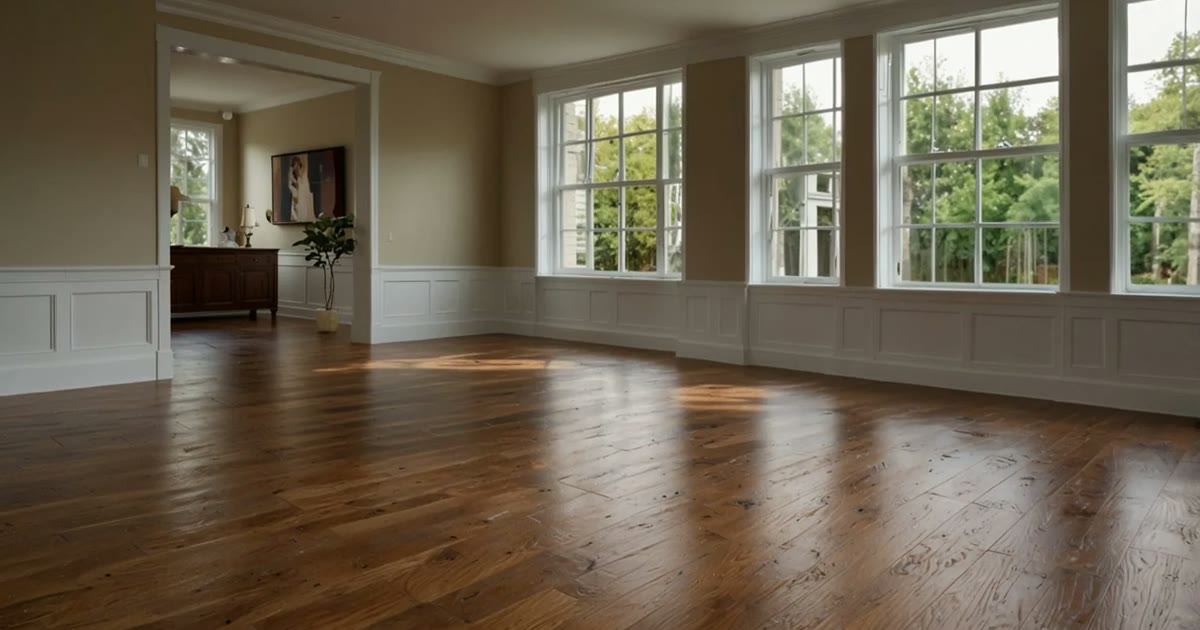
LVP flooring is a waterproof, wood-look floor made of layered vinyl with a rigid or flexible core, installed as planks that click together or glue down over your existing subfloor.
Key Takeaways
- LVP is waterproof from surface to core when installed correctly, which matters in Gulf-side humidity.
- Rigid core (SPC) planks handle Florida slab floors better than flexible options because they resist telegraphing from subfloor unevenness.
- Click-lock LVP floats over the subfloor; glue-down LVP is the better match for wide, open layouts and commercial spaces.
- AC ratings, wear-layer thickness, and attached underlayment are the three specs worth checking before you buy.
- Our install record over the last year skews heavily toward rigid core SPC for Sarasota-area homes.
What Exactly Is LVP Flooring Made Of?
Peel it back and every plank has the same basic layers. A clear wear layer sits on top. Below it, the printed film carries the wood-look image. Under that is the core — either rigid (SPC, stone plastic composite) or flexible (WPC, wood plastic composite) — and many products add a pre-attached underlayment pad on the bottom.
The wear layer is the part worth obsessing over. Thicker wear layers resist scratching from dogs, dragged patio furniture, and tracked-in sand. When we walk clients through samples in their own living room, the wear layer spec is usually the deciding factor between two planks that look nearly identical.
The core matters just as much here. Rigid cores don't flex, so minor bumps in a concrete slab are less likely to show up as dips in the finished floor. Flexible cores feel a bit softer and quieter underfoot, which some clients prefer in bedrooms.
Why Is LVP Such a Good Fit for Sarasota Homes?
Short answer: water and sand. Long answer, still water and sand — plus the way Florida homes are built.
Most Sarasota-area homes sit on concrete slabs. Solid hardwood over a slab in this climate invites swelling, cupping, and moisture headaches during rainy season. LVP doesn't absorb water the way wood does, so a tracked-in puddle from the pool deck or a rainy-day entrance at the back slider is a wipe-it-up problem, not a refinishing problem.
Slab construction also means flooring goes down fast. A floating LVP install over a prepped slab is often a one- to two-day project for a typical room set, and you can walk on it the same day we finish. No acclimation drama like nail-down wood, no thinset cure times like tile.
And then there's the look. Today's embossed-in-register planks carry grain texture that lines up with the printed image, so the floor reads as real wood from standing height. Most of our clients' guests never guess.
How Long Does LVP Flooring Last?
Quality LVP with a proper wear layer routinely serves a residential home for 15 to 25 years, and manufacturer warranties frequently back residential use for that span — check the specific product's warranty card, because terms vary by brand and wear-layer thickness. The bigger variable in Sarasota is sun. Rooms with large west-facing windows can fade some finishes over time, so blinds, solar screens, or UV-resistant window film all help.
The other longevity factor is the subfloor. LVP is honest about what's underneath it. If a slab has low spots, they telegraph through as soft spots in the floor. We self-level problem areas before installation, which adds a step to the timeline but pays off for the life of the floor.
LVP vs. Tile vs. Hardwood: Which Makes Sense for Your Rooms?
Here's the comparison we run through with clients most often.
| Option | Best For | Water Behavior | Feel Underfoot | Install Over Slab |
|---|---|---|---|---|
| Rigid core (SPC) | Whole-home installs, slab floors, homes with pets | Waterproof through the core | Firm, stable | Floats over level slab |
| WPC (wood plastic composite) | Bedrooms and living areas where comfort matters | Waterproof through the core | Softer, quieter | Floats; needs very level slab |
| Glue-down LVP | Open layouts, high-traffic and light-commercial spaces | Waterproof surface and core | Firmest, most floor-like | Glued to prepped slab |
Takeaway: for most Sarasota slab homes, rigid core SPC is the default we recommend; WPC wins when underfoot comfort is the priority, and glue-down earns its keep in big open spaces.
Which LVP Types Do Sarasota Homeowners Actually Choose?
We keep install records by product type, and the pattern over the past twelve months is clear. Rigid core SPC leads by a wide margin, with WPC a solid second and glue-down filling most of the rest — loose-lay products make up only a small share of our work. The reasons match what you'd expect for the area: slab construction favors rigid cores, and wide-open great rooms in Lakewood Ranch and Venice floor plans suit the dimensional stability of both SPC and glue-down installs.
If you're choosing between these types, the honest framing is this: SPC for durability and slab tolerance, WPC for comfort, glue-down for permanence in large spaces. Our team can measure your rooms and tell you which of the three your subfloor actually calls for.
How Is LVP Installed Over a Concrete Slab?
Prep is most of the job. Here's the sequence we follow.
First, we remove the existing floor and check the slab. We're looking for moisture readings, cracks, and levelness. Concrete in coastal Florida can hold moisture, so a moisture test before install is standard practice for us, not an upsell.
Second, low spots get a self-leveling underlayment. High spots get ground down. A floating floor is only as flat as what's under it.
Third, we acclimate the planks in the space, then lay underlayment if the product doesn't have an attached pad, and start clicking rows together from the longest wall. Staggered end joints, expansion gaps at every wall, transitions finished with matching trim.
Glue-down installs follow the same prep but swap the click-lock for full-spread adhesive. That method anchors the floor tightly, which is why we often suggest it for rooms with rolling chairs, commercial foot traffic, or very large uninterrupted spans.
What Should You Check Before Buying LVP?
Three specs, in order of importance. Wear layer thickness — thicker is more scratch-resistant, and for busy households we steer clients toward the higher end of a product line's wear-layer options. Core type — rigid for slabs and pets, flexible where comfort leads. Attached versus separate underlayment — attached pads speed up install, but a separate quality underlayment can improve sound dampening and smooth very minor subfloor texture.
One more thing worth checking: the product's warranty for residential use, and whether it covers the installation method you're planning. Bring the spec sheet to your estimate and we'll read it with you.
If you'd rather skip the spec-sheet homework, our team will bring sample boards to your home, measure each room, and lay out the options side by side — that visit is the easiest way to narrow the choice. Learn more about our flooring installation services or just call.
How Much Does LVP Flooring Cost?
We don't publish pricing, because two homes with the same square footage can land in very different places once subfloor condition, furniture moving, trim work, and product selection are factored in. What we can tell you is what drives the number: material tier (wear layer and core construction), the amount of prep the slab needs, room count and layout complexity, and whether old flooring needs removal and haul-away.
The reliable path is a written estimate based on actual measurements. We itemize materials, prep, and labor so you can see where each part of the budget goes. If you're comparing bids from multiple contractors, make sure every bid assumes the same prep work — that's where lowball quotes usually cut corners.
Where Do We Install LVP Around Sarasota?
Master Flooring Service serves Sarasota and the surrounding communities, including Siesta Key, Venice, Nokomis, Osprey, North Port, Englewood, Longboat Key, Lakewood Ranch, Bradenton, Palmetto, Ellenton, Parrish, and Myakka City. If you're on the edge of that list, call and ask — chances are good we've worked on your street.
Coastal homes bring their own quirks. Barrier-island properties often need scheduling around tides of tourists and elevator access in condos. We handle those logistics regularly, from Siesta Key condos to waterfront homes along the bay.
Sidestep into related topics whenever it helps your planning: see how luxury vinyl plank compares to hardwood for Florida homes, or read our guide to waterproof flooring options for kitchens, baths, and laundry rooms.
Frequently Asked Questions
Can LVP be installed over existing tile?
Sometimes. Floating click-lock LVP can go over a well-bonded, level tile floor with proper prep, filling grout lines so they don't telegraph through. Glue-down installs usually need the tile removed or an appropriate leveling compound. We check the existing floor during the estimate and tell you which route your situation supports, since every slab and every tile job is a little different.
Is LVP really waterproof?
The plank itself is waterproof through the core — standing water on the surface won't swell it the way it swells hardwood or laminate. What waterproof does not mean is flood-proof: water that migrates under the floor and sits against the subfloor or walls is a different problem. Seams, transitions, and perimeter gaps are where installation quality shows, which is why professional prep and fit matter as much as the product you pick.
How long does an LVP installation take?
For a typical Sarasota home, a floating LVP install over a prepped slab often takes one to two days of on-site work. Add time when rooms need self-leveling compound, when old flooring has to come out, or when furniture needs moving first. Glue-down projects run longer because adhesive work is slower and more deliberate. Your written estimate includes the expected schedule before we start.
Does LVP scratch easily?
Scratch resistance tracks with wear-layer thickness and surface treatment. Pets, sand, and dragged furniture are the usual culprits in Sarasota homes. Rigid core products with thicker wear layers hold up noticeably better in busy households. Felt pads under furniture legs and quick sweep-ups of tracked-in sand will extend the life of any LVP floor — sand is essentially an abrasive, so it pays to keep it off the floor.
Do I need to leave my home during installation?
Usually not. Floating LVP installs produce minimal odor and noise compared to refinishing or tile work, so most clients stay home. Glue-down installs involve adhesive with some odor during application, and some clients prefer to be out for that portion. Either way, we talk through the plan at the estimate so there are no surprises about which rooms you can use and when.
Ready to see LVP in your own rooms? Request a quote through the form above or call (941) 555-0199 — we'll measure, bring samples, and give you a written plan for your Sarasota home.
Master Flooring Service — licensed and insured flooring contractor serving Sarasota, Venice, Bradenton, Lakewood Ranch, and communities throughout Sarasota and Manatee counties.